Français
 Deutsch
 Italiano
 српски
 Español
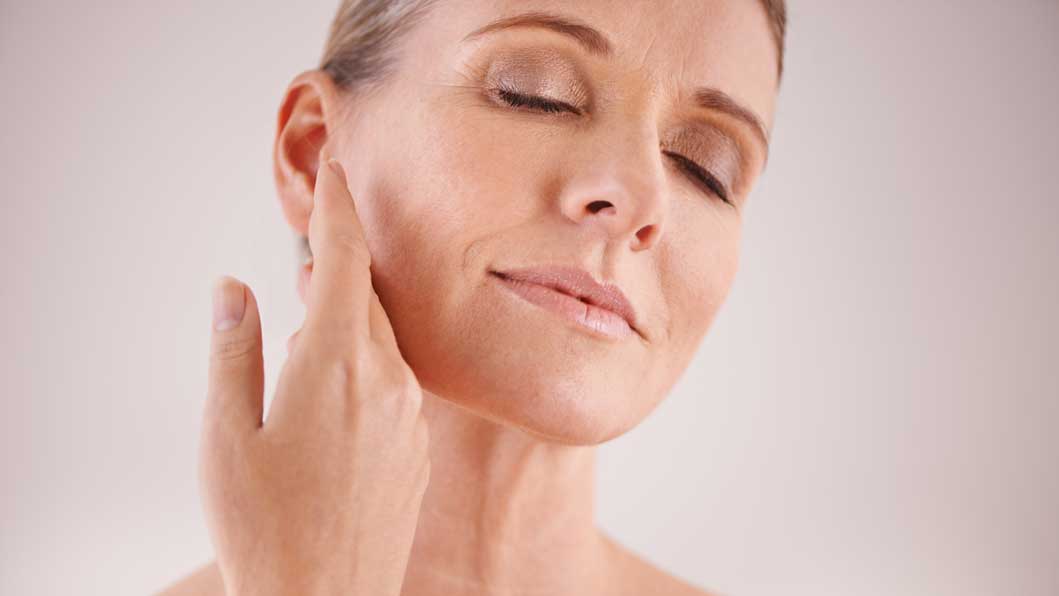
Facelift Surgery (Rhytidectomy): Your Essential FAQs
Understanding the Procedure and Techniques
1. What is a facelift? A facelift (rhytidectomy) is a surgical procedure. Its goal is to reduce sagging skin, minimize wrinkles, and eliminate jowls to create a more youthful appearance. In addition, the surgeon can tighten underlying facial muscles and tissues.
2. How long does the facelift surgery take? The procedure usually lasts 2–5 hours. This duration depends on the extent of correction needed and whether you combine it with additional procedures (such as eyelid surgery or a neck lift).
3. What types of facelift procedures exist? Surgeons offer several options:
- Traditional facelift: The surgeon makes incisions along the hairline and around the ears; this is best for advanced sagging.
- Mini facelift: This uses smaller incisions and is suitable for mild to moderate sagging.
- Thread lift (non-surgical): This utilizes dissolvable threads for a subtle lift, which is best for early signs of aging.
4. Who is a good candidate for a facelift? Ideal candidates are those with moderate to severe facial sagging.Furthermore, you should have good general health and realistic expectations. Note that non-smokers tend to heal faster.
5. Can a facelift be combined with other procedures? Yes. Common combinations include a neck lift, eyelid surgery, brow lift, and liposuction for a more comprehensive, integrated rejuvenation.
Recovery, Scars, and Longevity
6. Is facelift surgery painful? Most patients experience mild to moderate discomfort. Fortunately, you can manage this easily with prescribed pain medication. Swelling, bruising, and tightness are common in the first week.
7. How long is the recovery? Recovery follows a key timeline:
- Initial recovery: 1–2 weeks for major swelling and bruising to improve.
- Return to work: typically after 2 weeks.
- Final results: visible in 2–3 months, with subtle refinements continuing for up to a year.
8. When will I see final results? Noticeable results appear within 2–3 months. However, it may take 6–12 months for the facial tissues to fully settle into their final contour.
9. Are facelifts permanent? No procedure stops aging. However, the results are long-lasting, typically 7–10 years. Good skincare and a healthy lifestyle help maintain those results longer.
10. What are the risks? Possible risks include infection, bleeding, scarring, temporary or permanent nerve injury,asymmetry, and dissatisfaction. To minimize these risks, choose an experienced, board-certified surgeon.
Planning Facelift Surgery Abroad: The Istanbul Guide
Clinical Standards and Comprehensive Packages
A. Why is Istanbul popular for facelift surgery? Istanbul is a leading destination for facial aesthetics. This is because it offers skilled surgeons, modern facilities, competitive pricing, and comprehensive medical tourism services.
B. How do I choose a reliable surgeon abroad? It is vital that you:
- Verify board certification and years of experience of your surgeon.
- Review extensive before-and-after photos.
- Read independent reviews and patient testimonials.
C. Do clinics in Istanbul offer packages? Yes. Packages often include all necessary arrangements:
- Consultation and surgery.
- Anesthesia and hospital stay.
- Hotel accommodation.
- Airport transfers.
- Post-op garments and follow-up care.
D. How safe is facelift surgery abroad? The procedure is safe if performed in accredited clinics by experienced, board-certified surgeons. Always research credentials and safety standards thoroughly.
E. Is it cheaper to have a facelift in Istanbul? Yes. Prices for Facelift Surgery Istanbul are often 40–60% lower than those found in the US, UK, or Western Europe, while maintaining high quality standards.
J. Are facelift results abroad reliable? Yes, provided you choose a board-certified, experienced surgeon. Always verify credentials, clinic accreditation, and past patient outcomes before booking.
Travel Logistics and Support
F. How long should I stay in Istanbul for recovery? Surgeons usually recommend 7–10 days before flying home. This allows enough time to ensure safe healing and complete essential follow-up checks.
G. Can I consult online before traveling? Yes. Many reputable clinics offer virtual consultations to discuss goals,techniques, costs, and recovery details before your arrival.
H. What about aftercare when I return home? Clinics provide detailed aftercare instructions. In addition, many offer remote follow-ups via video or email. It is also advised to arrange for a local doctor for ongoing checks.
I. Will language be a problem? No. Most reputable clinics consistently have English-speaking coordinators and can provide translators for other languages if needed.