
 Français
 Deutsch
 Italiano
 српски
 Español
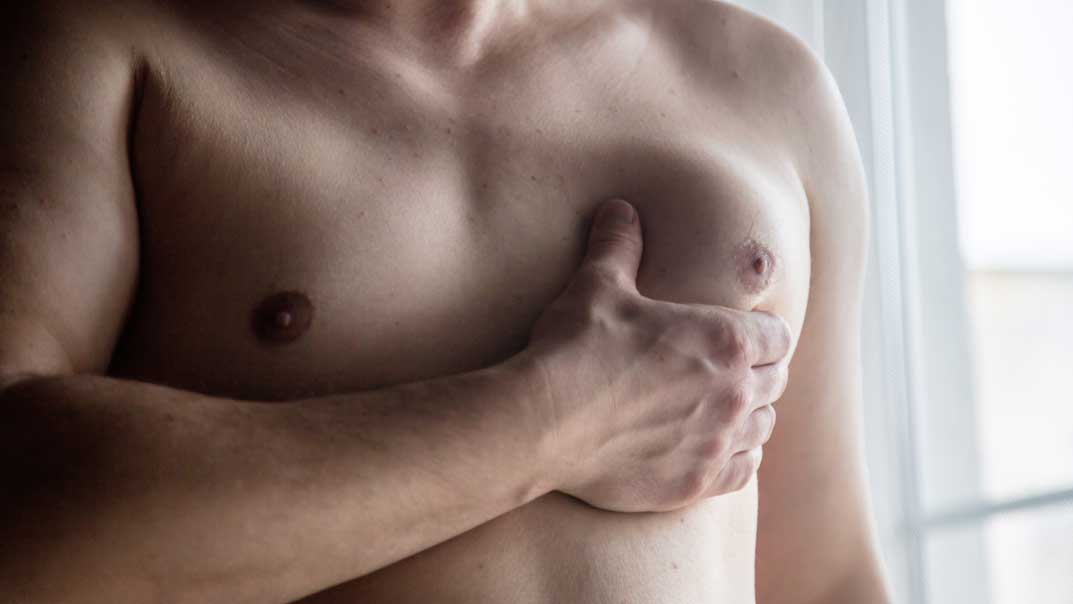
Gynecomastia Surgery with Excision – Comprehensive Patient Guide
This extensive guide provides in-depth answers to the most frequently asked questions about gynecomastia surgery involving glandular excision, addressing everything from candidacy and surgical technique to recovery expectations and special advice for patients pursuing medical tourism in locations like Istanbul. We prioritize clear, active language to deliver direct and actionable information.
I. Understanding Gynecomastia Surgery: The Excision Technique
1. What is gynecomastia surgery with excision?
Excision surgery offers the most definitive treatment for enlarged male breasts (gynecomastia). The surgeon removes excess glandular breast tissue directly through small, strategically placed incisions. Unlike liposuction alone, which removes only fat, excision attacks the core problem: the firm, dense glandular tissue. The goal remains simple: the surgeon creates a flatter, firmer, and more masculine chest contour for the patient.
2. Who is a good candidate for excision?
You qualify as a good candidate for this surgery if you fit these criteria:
Diagnosis: Glandular tissue, not just soft fat, primarily causes your male breast enlargement. You usually feel this tissue as a firm, rubbery mass beneath the nipple-areola complex.
Failed Conservative Treatment: You tried diet, exercise, or stopping certain medications, but your condition did not improve or resolve. The enlargement persists.
Stable Health: You are a generally healthy, non-smoking individual. You must not have life-threatening illnesses or medical conditions that impair your body’s ability to heal.
Emotional Maturity: You maintain realistic expectations about the outcome, understanding the need for scars and the multi-month process of recovery.
Stability: Ideally, you reached full physical maturity, and the gynecomastia has stabilized.
3. How do surgeons perform the procedure?
The surgeon follows a precise set of steps to ensure both effective removal and optimal aesthetic result:
Anesthesia: You receive general anesthesia or local anesthesia combined with intravenous sedation.
Incision Placement: The surgeon typically makes a small incision along the edge of the areola (the periareolar approach) or sometimes hides the incision in the natural crease under the breast.
Glandular Excision: The surgeon meticulously removes the dense, excess glandular tissue. They deliberately leave a small amount of underlying tissue to support the nipple and prevent the chest from developing a “caved-in” or sunken look.
Contouring with Liposuction: Surgeons frequently combine liposuction with excision. Liposuction removes surrounding fatty tissue, allowing the surgeon to feather the edges and create a smooth, natural transition from the chest wall to the newly flattened area.
Closure and Drainage: The surgeon closes the incisions using fine sutures. They may temporarily place a surgical drain to manage excess fluid collection.
Compression: The surgeon immediately applies a compression garment to minimize swelling and support the newly contoured chest shape.
4. How long does surgery take?
The procedure usually takes the surgeon between 1 to 2 hours to complete. The exact duration depends directly on the amount of tissue the surgeon needs to remove, whether they combine liposuction, and the complexity of the desired contouring.
5. Is the procedure painful?
You will certainly feel some level of mild to moderate discomfort or soreness in the chest area during the first few days after the operation. You should expect this, and prescribed pain medication effectively manages it. Patients consistently report feelings of tightness, pressure, and general swelling, all normal and expected components of the early healing phase.
6. How long is the recovery period?
Your recovery must follow a strict timeline to ensure the best results:
Light Activities: You can resume very light, non-strenuous daily activities within 3 to 5 days.
Return to Work: Most patients return to work within 1 week, particularly if their job involves desk work. You need a longer break for physically demanding occupations.
Resume Exercise: You must restrict strenuous activities, heavy lifting, and any intense chest exercises for 4 to 6 weeks.
Swelling Resolution: Initial, significant swelling quickly subsides within a few weeks, but the subtle, residual swelling takes several months (3 to 6) to fully disappear, revealing your final, defined contour.
7. Will I have scars?
Yes, because excision requires surgical openings, you will have scars. However, plastic surgeons excel at placing incisions discreetly:
Periareolar Incision: This common approach places the incision along the border between the darker areola skin and the lighter chest skin. This boundary naturally helps camouflage the scar as it matures.
Other Placement: In rare cases requiring significant skin removal, the surgeon places incisions in the natural chest crease. Your scars will appear red and slightly raised initially, but they fade significantly and flatten over the course of 12–18 months.
8. How long do the results last?
The results of this surgery are generally permanent. The specific glandular tissue the surgeon removes cannot grow back.
You, however, affect the chest contour if you experience:
Significant Weight Gain: Remaining fat cells can enlarge dramatically.
Hormonal Changes: New hormonal imbalances or the use of certain drugs (e.g., anabolic steroids) can stimulate new growth in the small amount of glandular tissue that remains. You maintain your results by strictly adhering to a stable weight and healthy lifestyle.
9. What are the risks?
You acknowledge the risks associated with any surgery. Although serious complications are rare, you should be aware of potential risks:
Common Post-op Issues: Bleeding, bruising, swelling, temporary numbness, and visible scarring.
Aesthetic Concerns: Asymmetry (the chest sides do not perfectly match), contour irregularities (dips or lumps), or an undesirable appearance of the nipple/areola complex.
Medical Risks: Infection (which requires antibiotics) or seroma (fluid accumulation).
10. Can gynecomastia return after surgery?
The condition is unlikely to return because the surgeon removes the primary source of the problem (the glandular tissue). However, the appearance of enlargement may recur if:
Uncontrolled Hormones: You have a severe underlying hormonal issue that you do not address.
Drug Use: You start taking substances (like anabolic steroids) known to stimulate breast tissue growth.
Extreme Weight Gain: The remaining fat cells in your chest enlarge significantly, changing the contour again.
II. Practical FAQs for Patients Planning Surgery Abroad (e.g., Istanbul)
A. Why is Istanbul popular for gynecomastia surgery?
Istanbul has firmly established itself as a leading global hub for cosmetic surgery. Its popularity attracts patients for several reasons:
Specialization: The city hosts a large number of plastic surgeons who specialize in and perform male aesthetic chest surgery frequently.
Modernity: Many clinics and hospitals hold international accreditations (like JCI), showcasing high standards in facilities and patient safety.
Value: The overall cost of the surgery, even when you include travel and stay, offers significant financial savings compared to many Western countries.
Logistics: Istanbul serves as a massive, easily accessible international travel hub.
B. How do I choose a reliable clinic abroad?
You must undertake strict due diligence to select a quality surgeon overseas:
Certification: Verify that the surgeon holds board certification from a recognized national or international body in Plastic, Reconstructive, and Aesthetic Surgery.
Experience: Ensure the surgeon demonstrates extensive experience specifically with gynecomastia excision and contouring.
Visual Results: Thoroughly review a large gallery of their before-and-after photos of male patients to assess the consistency and quality of their work.
Accreditation: Check if the clinic or hospital holds international accreditations, which usually signify rigorous operational standards.
Communication: Arrange a video consultation to confirm easy and clear communication and establish trust with the surgeon.
C. Do clinics in Istanbul offer packages?
Yes, clinics that serve medical tourists often provide comprehensive packages to simplify the entire process. These packages commonly cover all major costs:
The Surgical Procedure (surgeon’s fee, anesthesia, operating room costs).
Post-op Garments (compression vest).
Accommodation (several nights in a nearby hotel).
Hospital Stay (if overnight observation is required).
Logistics: All airport transfers and, crucially, professional translation services throughout your medical journey.
D. How long should I stay in Istanbul for recovery?
Most surgeons mandate you stay in Istanbul for a minimum of 5 to 7 days after the procedure. This essential time allows the surgeon to:
Monitor: Safely manage initial swelling and address any minor, immediate post-operative issues.
Inspect: Perform the crucial final follow-up, remove drains (if applicable), and inspect the incision sites.
Clear You: Give you final medical clearance to safely fly home.
E. Is it safe to fly after surgery?
Flying is safe, but only after your surgeon clears you during your final check-up (usually 5 to 7 days post-op). Flying too early increases your risk of swelling, fluid accumulation, and the more serious risk of deep vein thrombosis (DVT).
F. What should I pack for recovery abroad?
You should pack items that prioritize your comfort and ease of movement:
Compression Garment: (Confirm if the clinic provides it, and if so, pack a second one for laundry).
Loose, Comfortable Shirts: Crucially, pack shirts that button or zip up the front, as you must avoid lifting your arms over your head while recovering.
Medications: Any personal, non-surgical medications, plus the antibiotics and pain medication the clinic prescribes.
Comfort Items: A travel pillow for flight comfort and easy slip-on shoes to avoid bending over.


Talal, Lebanon –
I had gynecomastia excision surgery in Turkey, and the result was excellent. My chest is firmer and flatter, and I regained my confidence.
Matthew L., Chicago-USA –
My gynecomastia with excision surgery in Turkey was a complete success. The surgeon removed the gland tissue properly, and my chest finally looks flat and natural.
Jason M., Los Angeles –
I had struggled with gynecomastia for years. After excision surgery in Turkey, I feel so much more confident. The results are masculine, and the recovery was easier than expected.